Pictures Taken for Your Care: Navigating Somerset Imaging and Diagnostic Visits
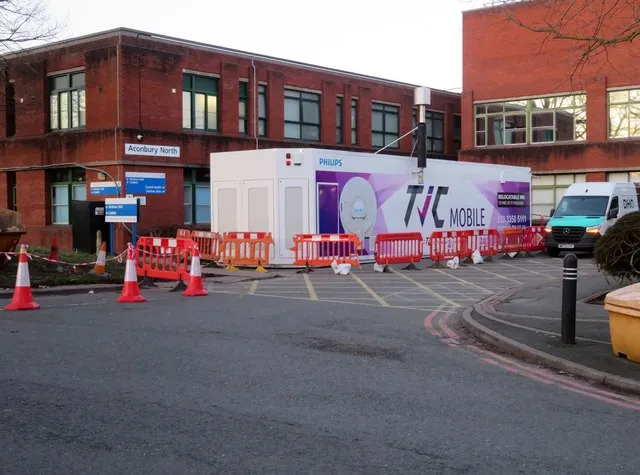
Photo: Chris Allen , CC BY-SA 2.0, via Wikimedia Commons
Not every hospital appointment involves a long conversation about symptoms, treatment and next steps. Some are arranged so that a picture can be taken, a measurement made or a closer look obtained. The appointment may last only a short time, and much of it may happen without the familiar back-and-forth of a clinic consultation. That can feel strange, especially if you are unsure whether the test is routine, urgent or simply the next stage in working out what is happening.
In Somerset, imaging and diagnostic appointments take place across a range of NHS sites, including Musgrove Park Hospital in Taunton, Yeovil District Hospital and some community hospital locations. The exact place and type of test will be set out in your appointment letter. Understanding the purpose of the visit can make the experience feel far less uncertain.
Why a test appointment can feel different
An imaging appointment is usually about collecting information. A radiographer, sonographer or other trained professional will carry out the test, and the images or recordings will then be examined and reported on by a specialist. The person performing the scan is often not the person who will interpret it in full or decide what happens next.
This is why you may not be given results during the visit. It is not usually a sign that something is wrong or that information is being withheld. In many services, the report needs to be checked and sent to the clinician who referred you, whether that is your GP, a hospital consultant or another member of your care team. That clinician can then explain what the findings mean in the context of your health.
The kinds of appointment you may be offered
Somerset patients may be referred for a variety of imaging and diagnostic tests. Common examples include plain X-rays, ultrasound scans, CT scans, MRI scans, mammography and bone density scans. Some appointments involve a contrast dye, which helps certain tissues show up more clearly. Others may involve preparations such as fasting, drinking water beforehand or avoiding particular medicines for a short period.
The wording on your letter matters. It should tell you the type of test, where to go, whether any preparation is needed and how long the appointment is expected to take. If anything is unclear, use the contact number on the letter rather than guessing. Departments would much rather answer a question in advance than have an appointment disrupted because a preparation instruction was missed.
Before the day: read the letter closely
Check the location carefully. Hospital sites can be large, and imaging departments are not always in the main outpatient building. Look for the department name, entrance and any parking or transport information. If you are attending a community hospital site, confirm the address rather than assuming it is the same as your usual GP surgery or nearest main hospital.
Pay attention to instructions about eating, drinking and medication. These vary between tests. An ultrasound of the abdomen may require fasting, for example, while some scans require you to arrive with a full bladder. A CT or MRI with contrast may involve specific checks about allergies, kidney function, pregnancy or implanted devices. Do not stop prescribed medication unless you have been told to do so by the clinical team.
It also helps to think about practical arrangements. If you are having a procedure that may leave you feeling tired or if you have been given a sedative, you may need someone to accompany you or collect you. If you use mobility aids, need an interpreter, or feel very anxious in enclosed spaces, tell the department in advance where possible. Adjustments are easier to arrange when staff know before the day.
What to wear and bring
Loose, comfortable clothing is usually sensible. You may be asked to remove items containing metal, such as jewellery, hair clips, belts or some clothing fastenings. For certain scans, you may need to change into a hospital gown. Bringing a list of your medicines, allergies and any previous imaging details can be helpful, particularly if you are attending a different hospital from the one that normally holds your records.
Bring your appointment letter and any identification requested. If you have relevant previous scans or reports from another provider, check whether the department has asked for them. It is also reasonable to bring a note of questions you want to ask, even if the appointment is short.
On arrival and during the test
The visit often begins at reception, followed by a wait before you are called. A member of staff should explain what will happen and check your details. You may be asked to confirm your name, date of birth, address and the test being performed. These checks are part of safe care, not unnecessary repetition.
During the test, the radiographer or sonographer will guide you. Some scans are quick and painless. Others require you to lie still, hold your breath briefly or remain in a particular position. MRI scanners can be noisy, and some people find the enclosed space difficult. If you feel anxious, say so. Staff are used to helping patients through the process and can often adjust the approach or explain what is happening step by step.
Questions worth asking on the day
You do not need to become an expert in radiology to ask useful questions. It is reasonable to ask how long the test will take, whether it will be uncomfortable, whether contrast is being used and what you should do afterwards. You can also ask who will receive the report and how soon you should expect to hear something.
If you are told that results will go to your GP or referring consultant, ask whether there is anything you need to do in the meantime. For example, you may need to book a follow-up appointment or contact the referring team if you have not heard within a stated period. Write down the answer if you think you may forget it later.
How results usually reach you
Results are not normally given by the imaging department directly to the patient on the day. The report is usually sent to the clinician who requested the test. That clinician or their team will then decide how and when to contact you. Timescales vary widely depending on the test, the urgency and local reporting arrangements.
If you have been given a timeframe, note it. If that time passes and you have heard nothing, contact the referring team or your GP surgery rather than assuming you have been forgotten. Avoid trying to interpret a report in isolation if you can; findings often need to be explained alongside your symptoms, history and other test results.
The next step belongs to your care team
An imaging or diagnostic appointment is best understood as one part of a larger process. It provides information that helps your care team decide what to do next. The visit may be quiet, brief and lacking in immediate answers, but it is not a gap in your care. It is a planned step, and the results will be reviewed by the people responsible for your treatment.
If you are unsure about any part of your appointment, ask before the day. Clear preparation and realistic expectations can turn an unfamiliar hospital routine into a manageable one.