The Right Support, Requested in Good Time: A Somerset Guide to Appointment Adjustments
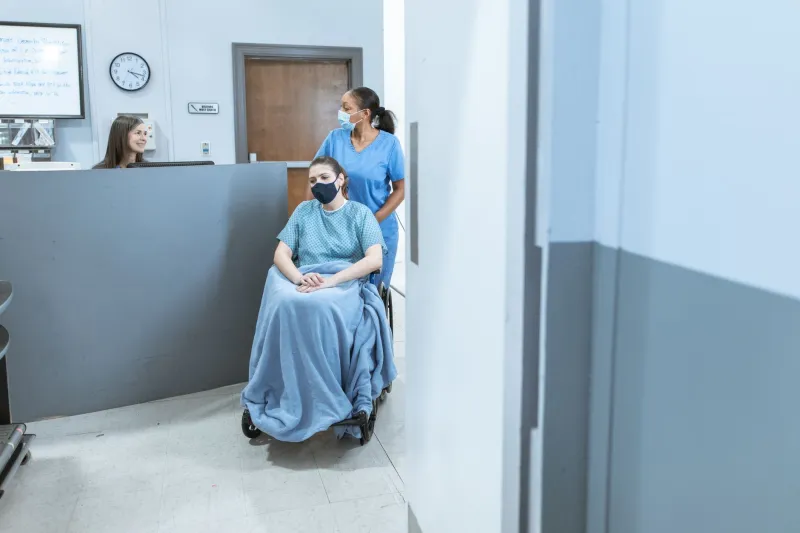
An NHS appointment can be daunting even when the practicalities are straightforward. For some patients, the barrier is language, hearing, sight, mobility, memory, anxiety or a combination of needs. Somerset NHS Foundation Trust services are expected to make reasonable adjustments so that patients can attend and take part. The key is to ask before the day, through the contact route given on your appointment letter, and to be specific about what will help.
Begin with the appointment letter
Look at the letter or text message for the department, booking team or switchboard number. That is usually the quickest route. Your GP surgery can also help you contact the right service, particularly if you need support to make the request. Keep your hospital or NHS number, date of birth, appointment date and time, and clinic name to hand.
Explain the support you need in plain terms. For example: 'I need a British Sign Language interpreter for my appointment on 14 December at Musgrove Park Hospital.' Or: 'I use a wheelchair and need an accessible consulting room and a longer appointment.' Ask for the request to be recorded as a reasonable adjustment and, where possible, confirmed in writing.
The Accessible Information Standard, which has applied to NHS services since 2016, requires services to identify and meet communication needs where possible. That includes needs related to a disability, sensory loss or learning disability. It does not remove the need for patients and carers to speak up, but it does give a clear basis for the conversation.
Interpreters and communication support
If English is not your first language, you are entitled to a professional interpreter. NHS services should not rely on a family member, friend or child to interpret, except in an emergency or where you expressly choose this. Say which language and dialect you need. If you need British Sign Language, ask for a qualified BSL interpreter, not a lipspeaker or notetaker unless that is your preference. For deafblind patients, ask for an interpreter with the right training, such as a deafblind manual interpreter.
Interpreters are arranged by the trust and should not be paid for by the patient. If the appointment is by telephone or video, say so, because the interpreter may need to join by the same route. If an interpreter does not arrive, tell reception or the clinician promptly. If it is not safe or practical to continue without one, ask for the appointment to be rebooked with support in place.
Advocates, companions and note-taking
An advocate can help you understand options, express your views and remember what was said. Some advocacy is independent; some is provided through voluntary organisations. Somerset NHS Foundation Trust's Patient Advice and Liaison Service (PALS) can explain what is available locally and how to ask. A companion can also attend for support. Tell the service in advance if you are bringing someone, and ask whether there is space. If a clinical area restricts visitors, ask what alternative can be offered, such as a telephone call with your companion present.
It can help to prepare a short note before the appointment: your main concern, questions you want answered and any support you need on the day. You can ask the clinician to allow pauses, use plain words or repeat information. If you need a written summary afterwards, ask whether one can be provided.
Practical and sensory adjustments
Reasonable adjustments can include a quiet waiting area, a longer appointment, a ground-floor room, step-free access, an accessible toilet or changing facility, written information in large print or easy read, and breaks during the appointment. If you need to bring equipment, such as a communication aid or portable oxygen, say so. If fluorescent lighting, noise or crowded waiting areas make attendance difficult, explain this. The service should consider what is practicable; it does not have to provide everything, but it should discuss alternatives with you.
Ask for adjustments at the point of booking wherever possible. If your needs change closer to the appointment, contact the department again. Keep a record of who you spoke to and what was agreed.
Transport and getting there
Non-emergency patient transport may be available where a medical need means you cannot travel by other means. Eligibility is based on need, not simply distance. Ask the booking team or the transport service listed on your letter. Community transport and volunteer car schemes operate in parts of Somerset; your local council or PALS can signpost. If you are claiming certain benefits, ask about the Healthcare Travel Costs Scheme for eligible travel costs. Blue Badge parking and drop-off points should be discussed when you book if you need them.
What to expect and when to chase
The trust should acknowledge your request and tell you whether it can be met. Interpreter bookings and some adjustments need notice, so ask as soon as the appointment is made. If you have not heard within a few working days, contact the department again and quote your request. If support is not in place on the day, tell reception or the clinician. If it is not safe or practical to continue, ask for the appointment to be rebooked with the support in place.
Support is not an optional extra; it is part of making NHS care accessible. Asking early, being specific and keeping a note of what was agreed will give Somerset patients the best chance of getting the right help at the right time.