The Calm Route to Care: Parking, Transport and Timing for Somerset NHS Visits

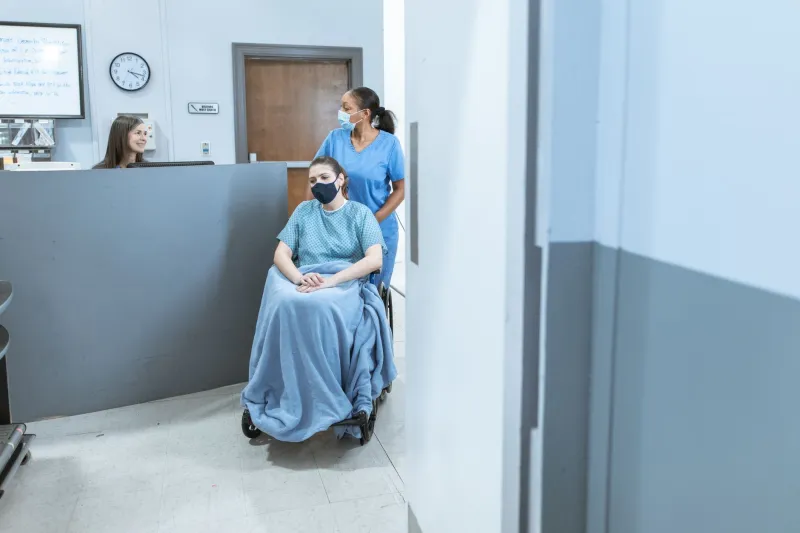
Photo: don cload, CC BY-SA 2.0, via Wikimedia Commons
An appointment letter usually tells you where to go and when. It rarely tells you how to get there, where to leave the car, or what to do if the bus is late. Yet those practical details can shape the whole experience. In Somerset, where hospitals and community clinics are spread across towns and rural areas, a little planning before the day can remove a great deal of avoidable stress.
This guide is about the journey to care, not the care itself. It sets out sensible steps for planning travel to a Somerset NHS Foundation Trust appointment, from checking the exact site to understanding when NHS patient transport may be available. It does not replace the instructions in your letter or the advice from the service looking after you.
Start with the exact place, not just the hospital name
Somerset NHS Foundation Trust runs acute hospitals and community hospitals, and not every appointment takes place at the site you might first think of. Musgrove Park Hospital in Taunton and Yeovil District Hospital are large sites, while community hospitals in towns such as Bridgwater, Minehead and Shepton Mallet host many outpatient clinics. Two appointments with the same trust may therefore be in very different places.
Read the letter for the department, building, entrance and postcode. Check whether the clinic is in a community hospital rather than the main acute site. If the letter is unclear, contact the number on it before travelling. Ask which entrance is best for your needs, especially if you use a wheelchair, have limited mobility or are bringing someone for support.
Parking and drop-off: know the arrangement before you arrive
Hospital car parks can be busy, particularly mid-morning and around visiting times. Allow extra time rather than hoping a space will appear at the last moment. Charges and payment methods vary by site and can change, so check the trust website or the car park signage on arrival rather than relying on older information. Keep any payment confirmation if you use an app.
Drop-off points are useful if someone is giving you a lift. Use designated drop-off areas where they exist and do not stop in ambulance bays, bus stops or restricted zones. If you need assistance from the car to the entrance, ask the service in advance; do not assume someone will be free to help on the day.
Blue Badge holders should check the current parking arrangements at the specific site. A Blue Badge supports parking, but it does not automatically mean free parking in every hospital car park.
Public transport and community options
Bus services connect many Somerset towns to hospital sites, but routes, frequencies and journey times vary. Check a current journey planner and the operator website for the day you are travelling, as timetables can change. If you are older or disabled, you may be eligible for an older person's or disabled person's bus pass, but eligibility rules and travel times vary, so check with Somerset Council.
For rural areas, community transport and volunteer car schemes can fill gaps. These are usually booked in advance and may charge a fare. Availability differs by area. Your local council, library, GP surgery or hospital reception may be able to point you to schemes, though they cannot always book on your behalf.
If someone is driving you, agree a pick-up time and place in advance. A mobile phone is helpful, but do not rely on signal at every hospital site.
When NHS patient transport may be available
NHS patient transport is not a general taxi service, and it is not automatically provided because someone is older, lives far away or has a hospital appointment. Eligibility is based on medical need. In general, it may be considered where a patient's condition means they cannot travel by public transport or private car without difficulty or distress, or where travel would be detrimental to their health.
If you think you may be eligible, contact the patient transport service as soon as your appointment is confirmed. You may be asked questions about your mobility, health and support at home. Book early, keep the booking reference and ring if your appointment changes. Transport can be delayed by traffic or other pick-ups, so plan for waiting.
Costs, concessions and help
Travel costs can add up, especially for repeated visits. If you receive certain benefits or have a low income, you may qualify for help under the Healthcare Travel Costs Scheme for travel to NHS-funded care. This is not automatic. Ask the hospital or the service arranging your care about eligibility, what evidence is needed and how to claim. Keep tickets and receipts.
Hospital car parking concessions may exist for some patients, such as those attending regularly for treatment, but they vary. Ask before the day if you think you may qualify; do not assume a refund will be available afterwards.
Timing: build in a cushion, not a scramble
Aim to arrive about 15 to 20 minutes before your appointment unless your letter says otherwise. That gives time to park, find the department, use the toilet and check in. For a first visit to a large site, add more. If you are using patient transport, you may be collected well before your appointment time; that is normal.
Check the weather and road conditions before setting out. On the day, if you are running late, telephone the department. Staff would usually rather know than wonder. If you cannot attend, cancel or reschedule as soon as possible so the slot can be offered to someone else.
A short checklist before you travel
- Re-read the appointment letter and note the full site, building and postcode.
- Check current parking, drop-off and public transport information.
- Book community transport or patient transport early if needed.
- Confirm who is travelling with you and where you will meet.
- Keep money, payment cards and any concession evidence with you.
- Carry the appointment letter, medication list and contact numbers.
- Allow a realistic buffer for traffic, parking and finding the clinic.
The journey is not the main event, but it can set the tone for it. With a little checking in advance, the practical side of getting to a Somerset NHS appointment can become ordinary and manageable, leaving your attention for the conversation that matters.